Bhram — Graphic Narrative & Action Figure
Bhram was my Master's final project and an intentionally ambitious one. I wanted to create a world that could exist both as a graphic narrative and as a physical action figure—something that could be read, held, posed, and imagined beyond the page.
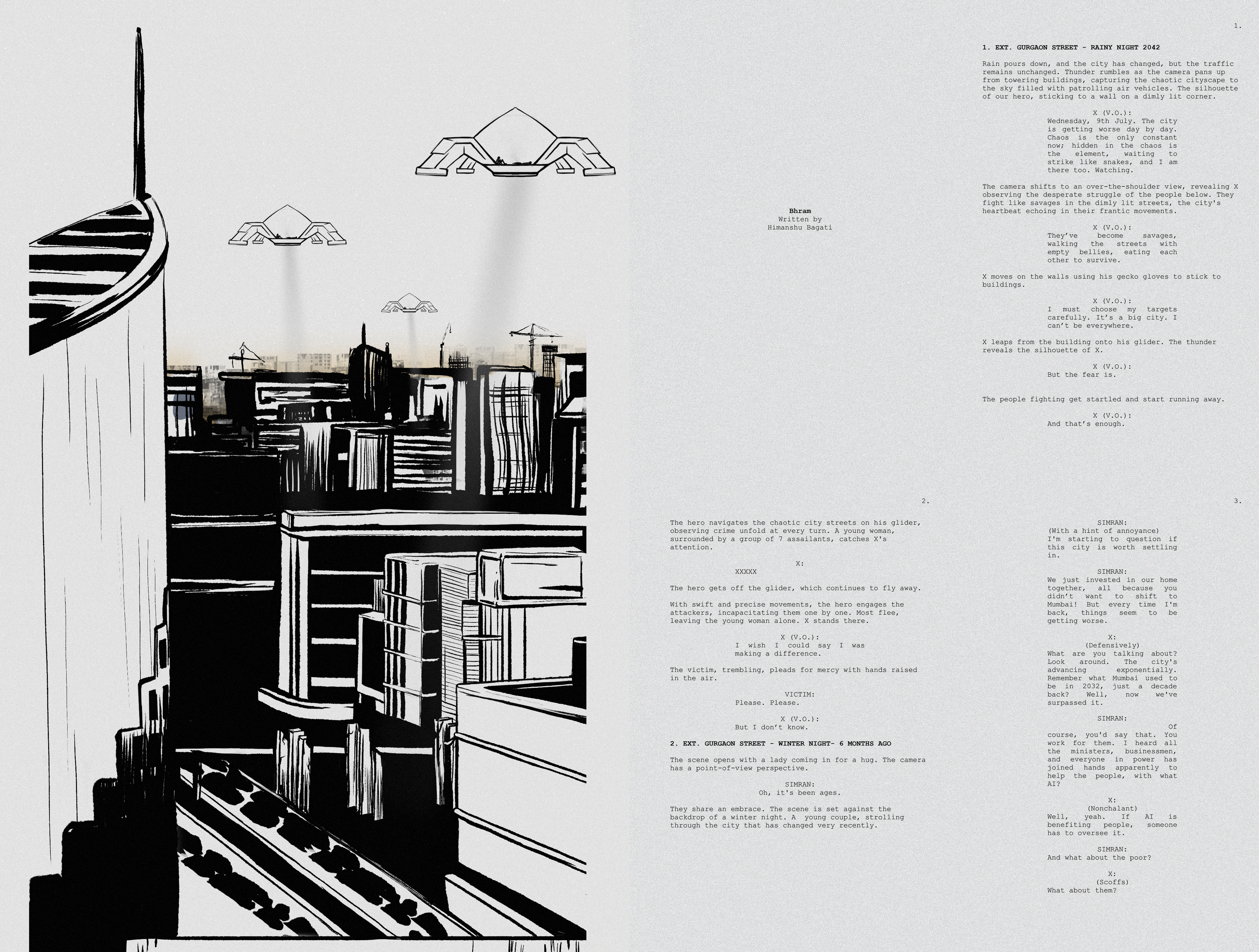
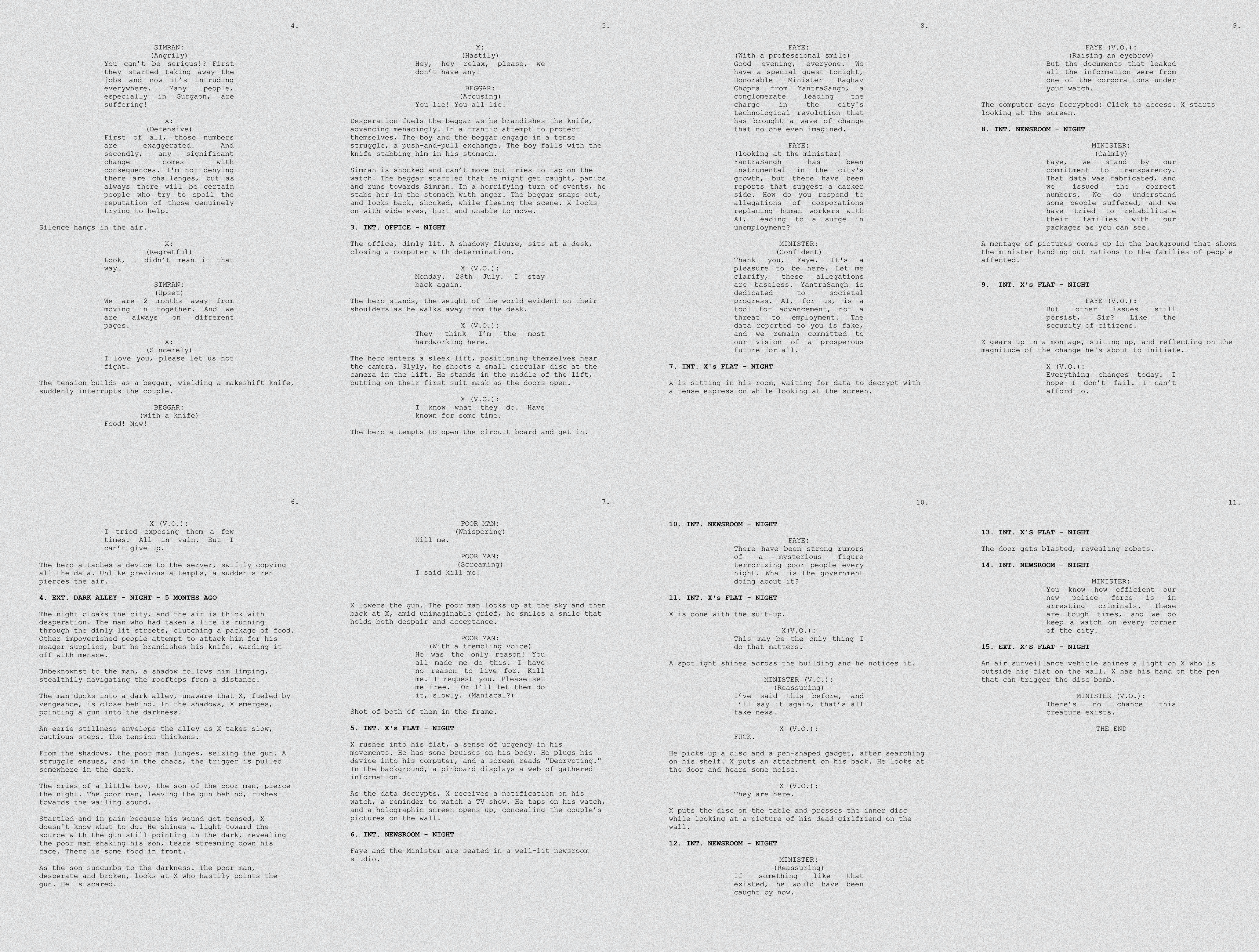
The project began with writing. While I had written scripts before, I wanted this one to be as precise as possible, so I deeply studied screenplay structure, formatting, and pacing. Instead of forcing a story early, I wrote everything I wanted it to be first, then shaped it through editing—cutting away what didn’t belong until the narrative became clear and focused.
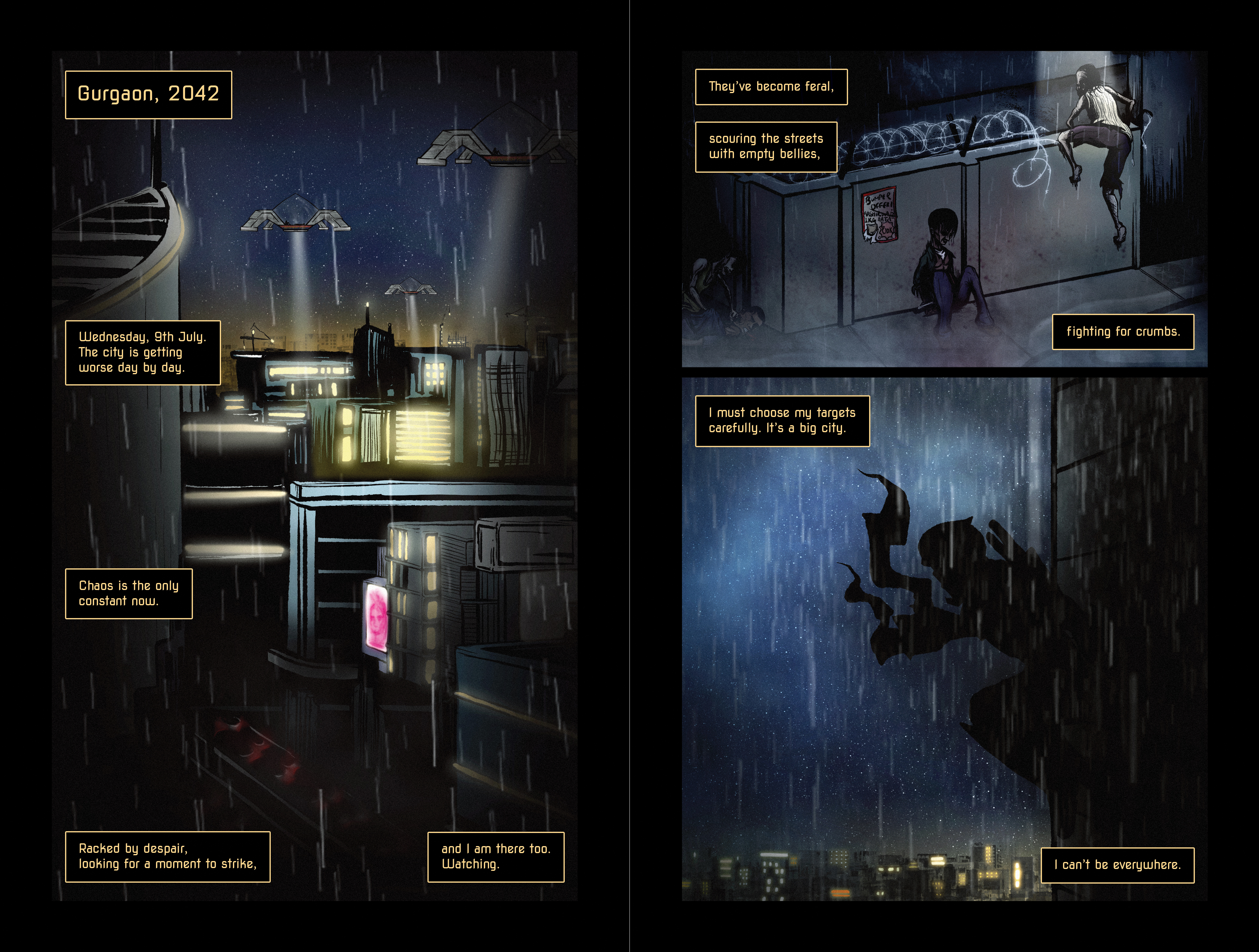
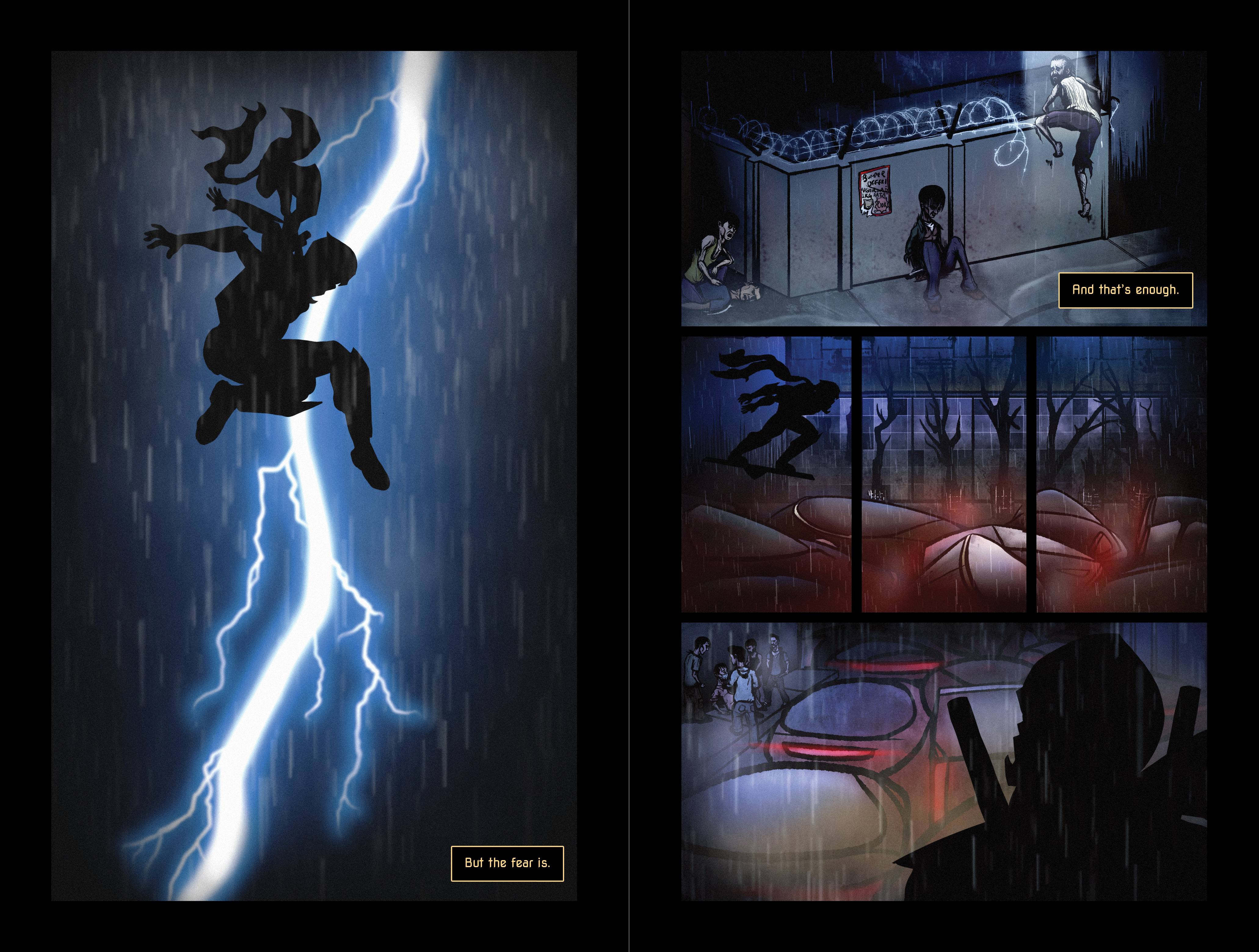
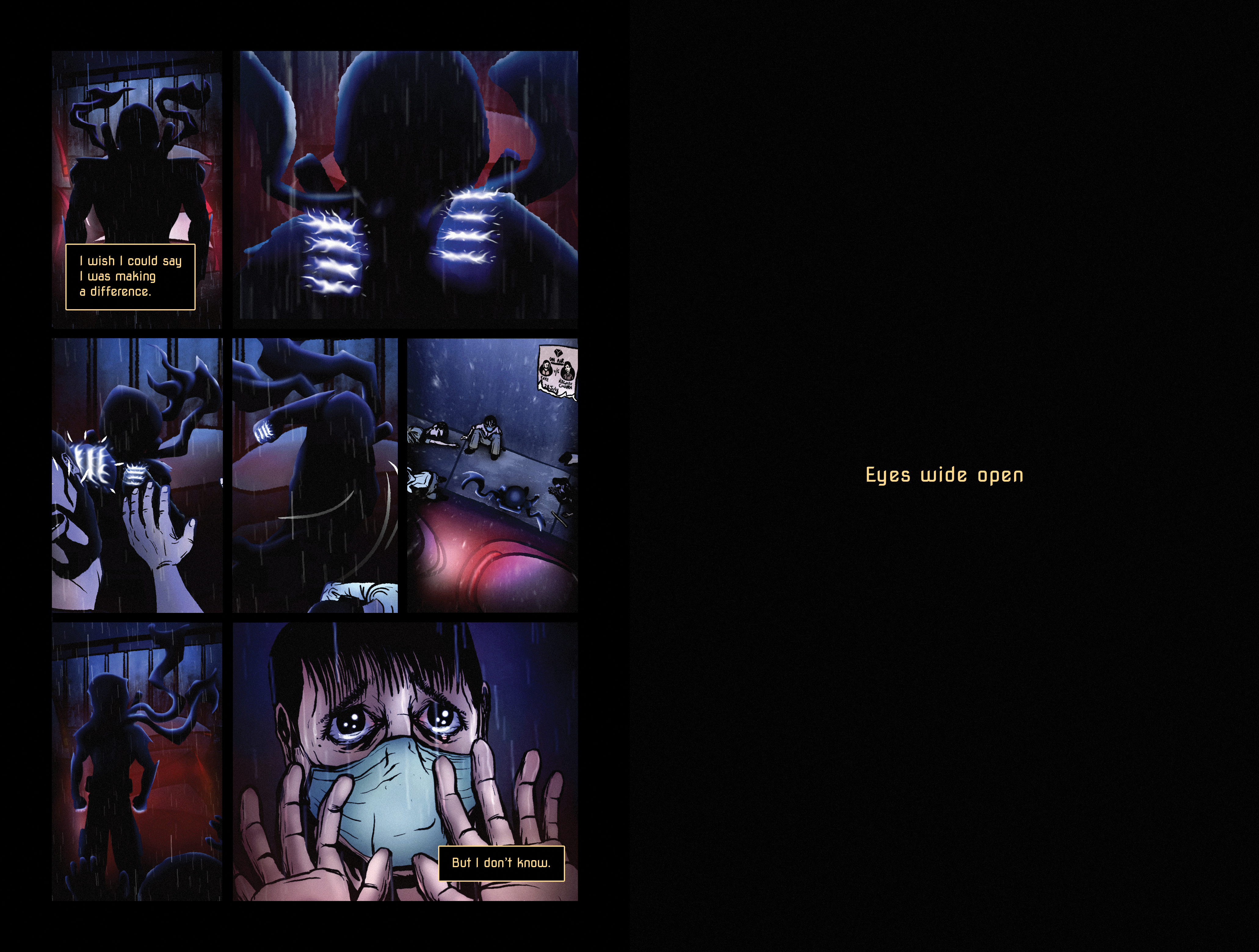
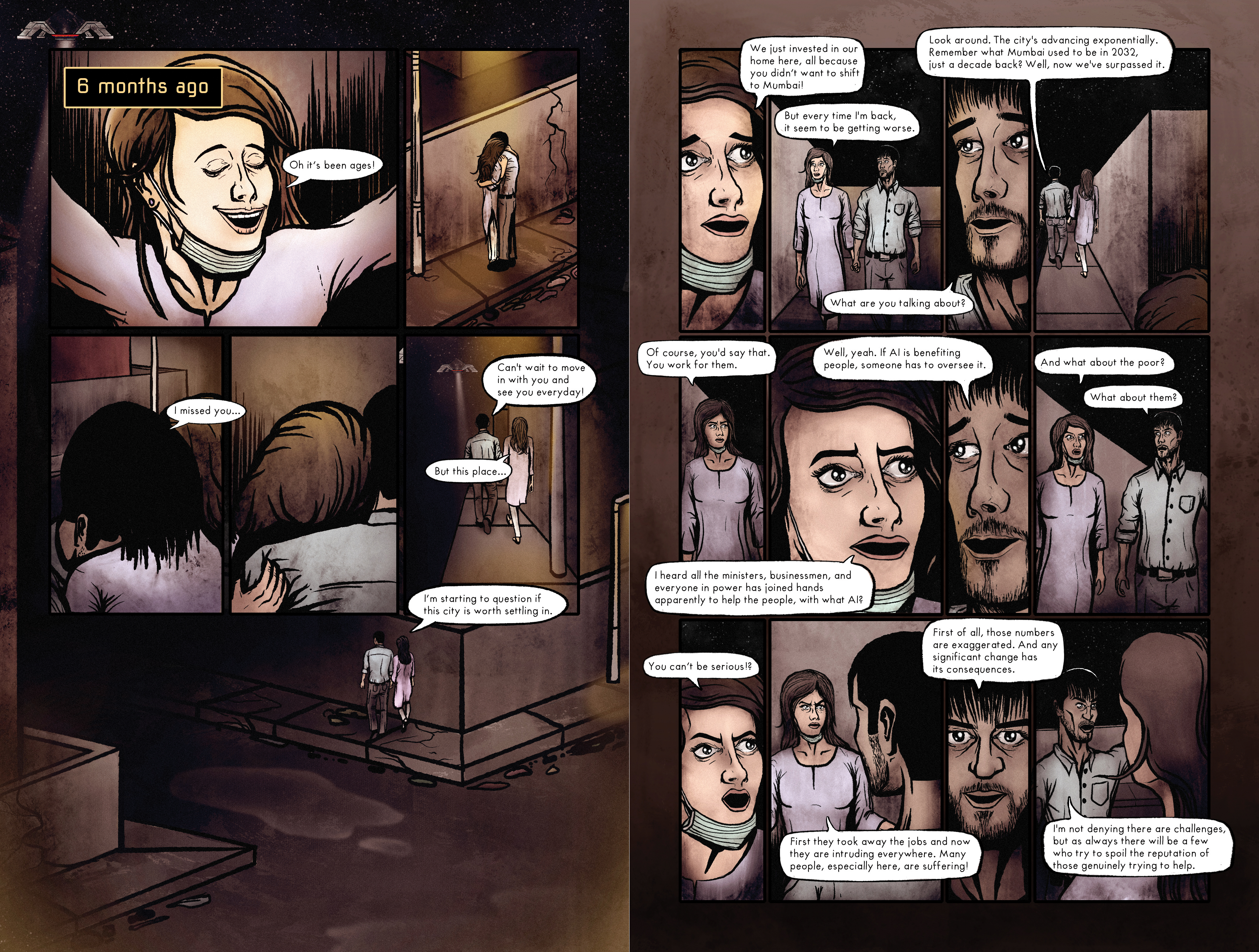
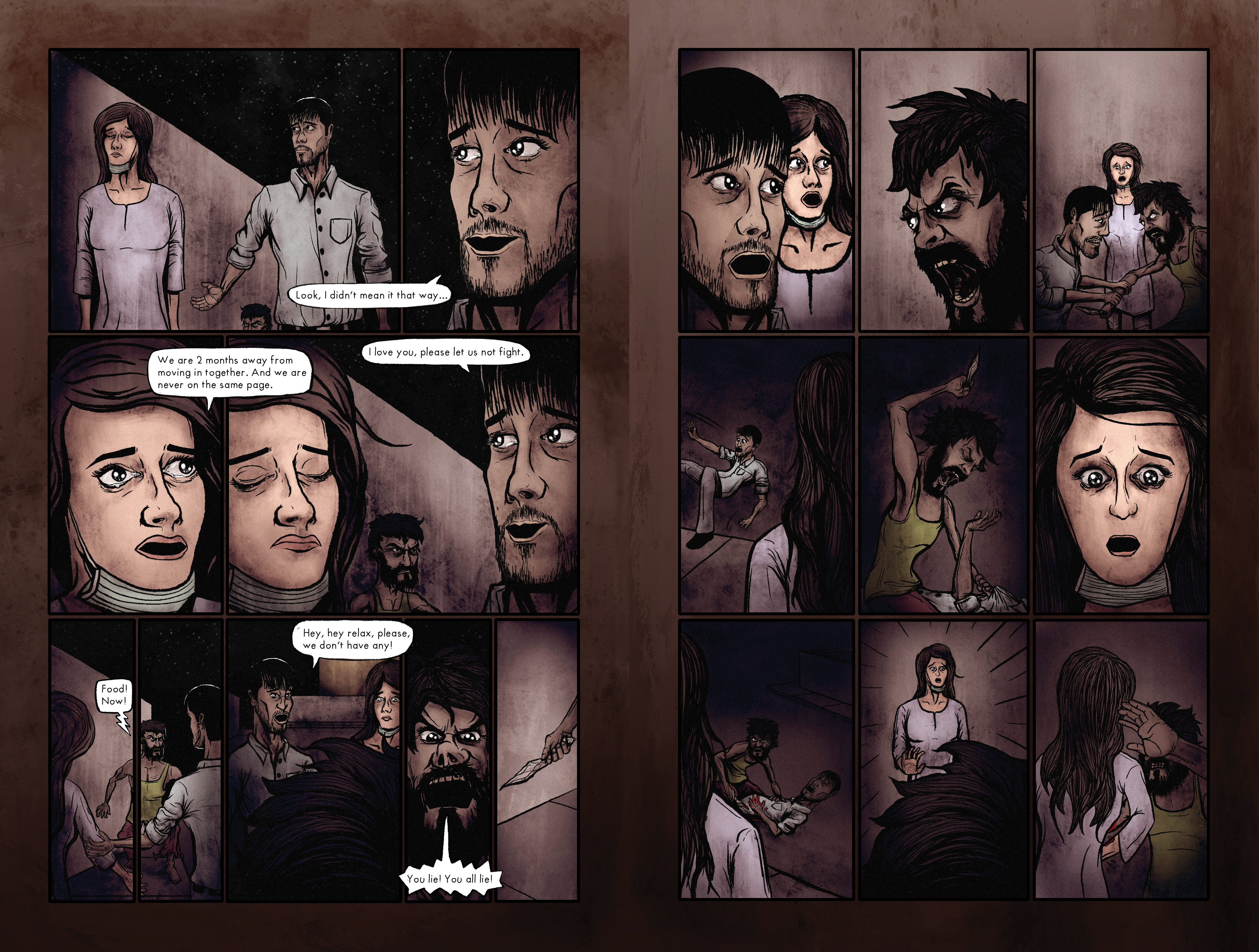
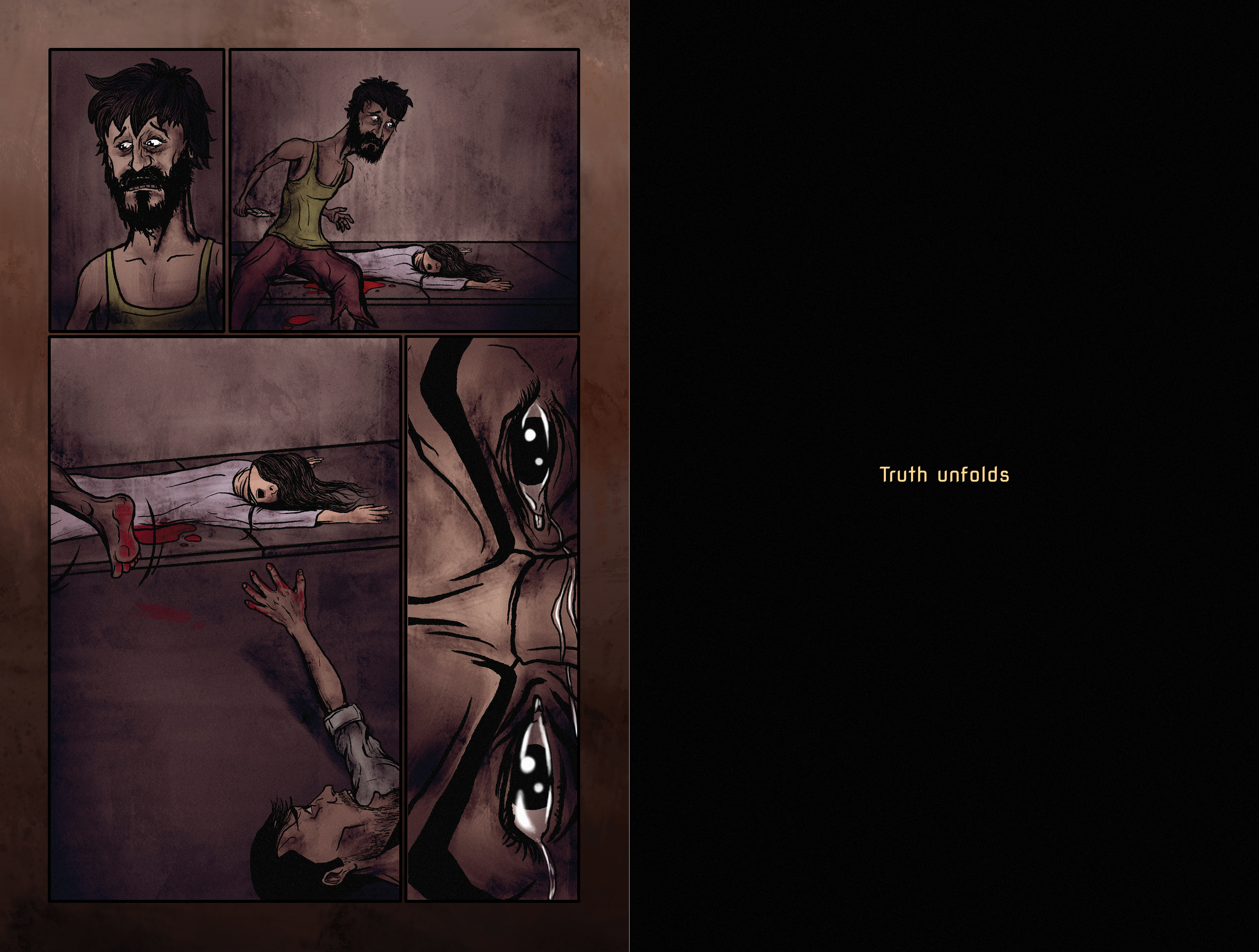
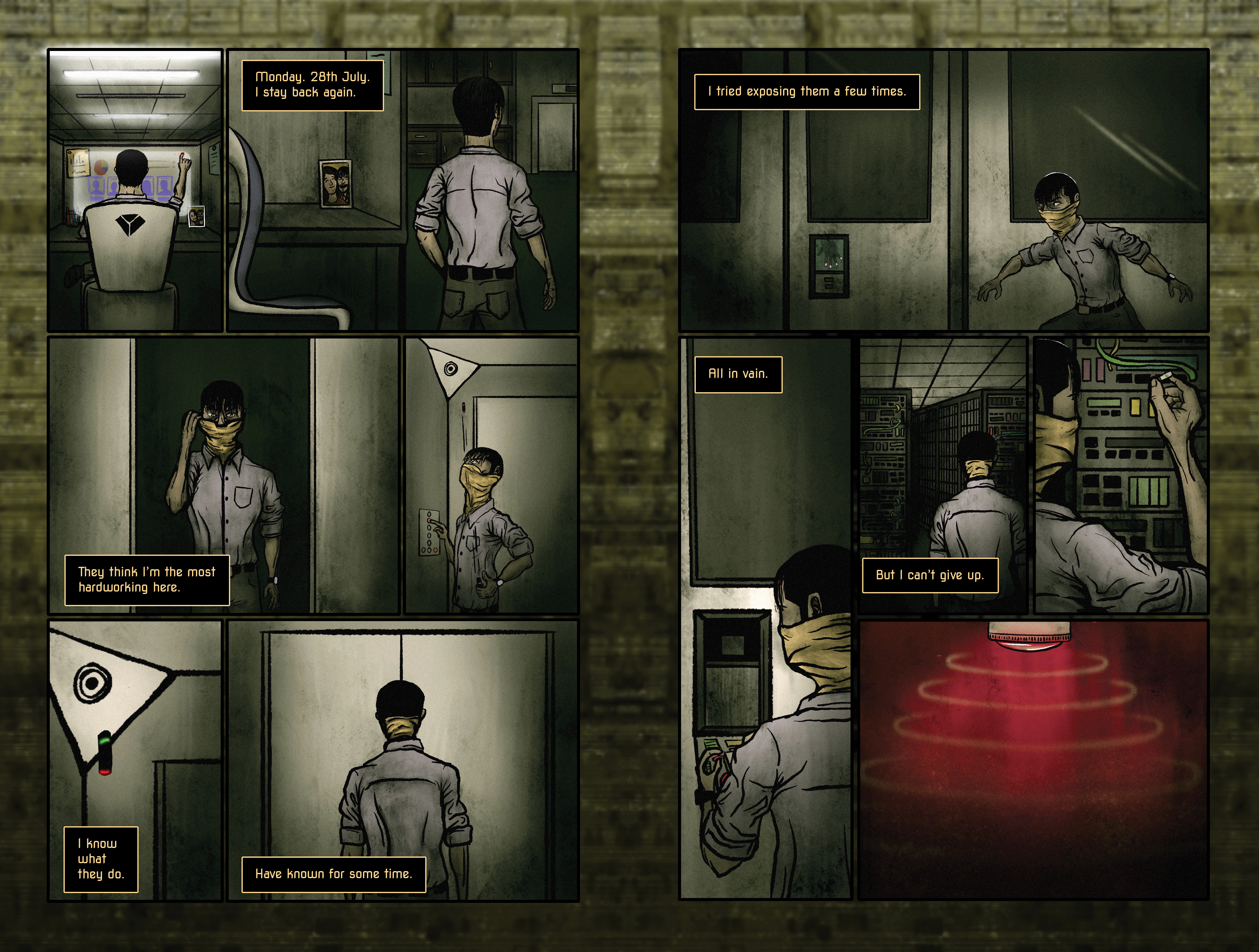
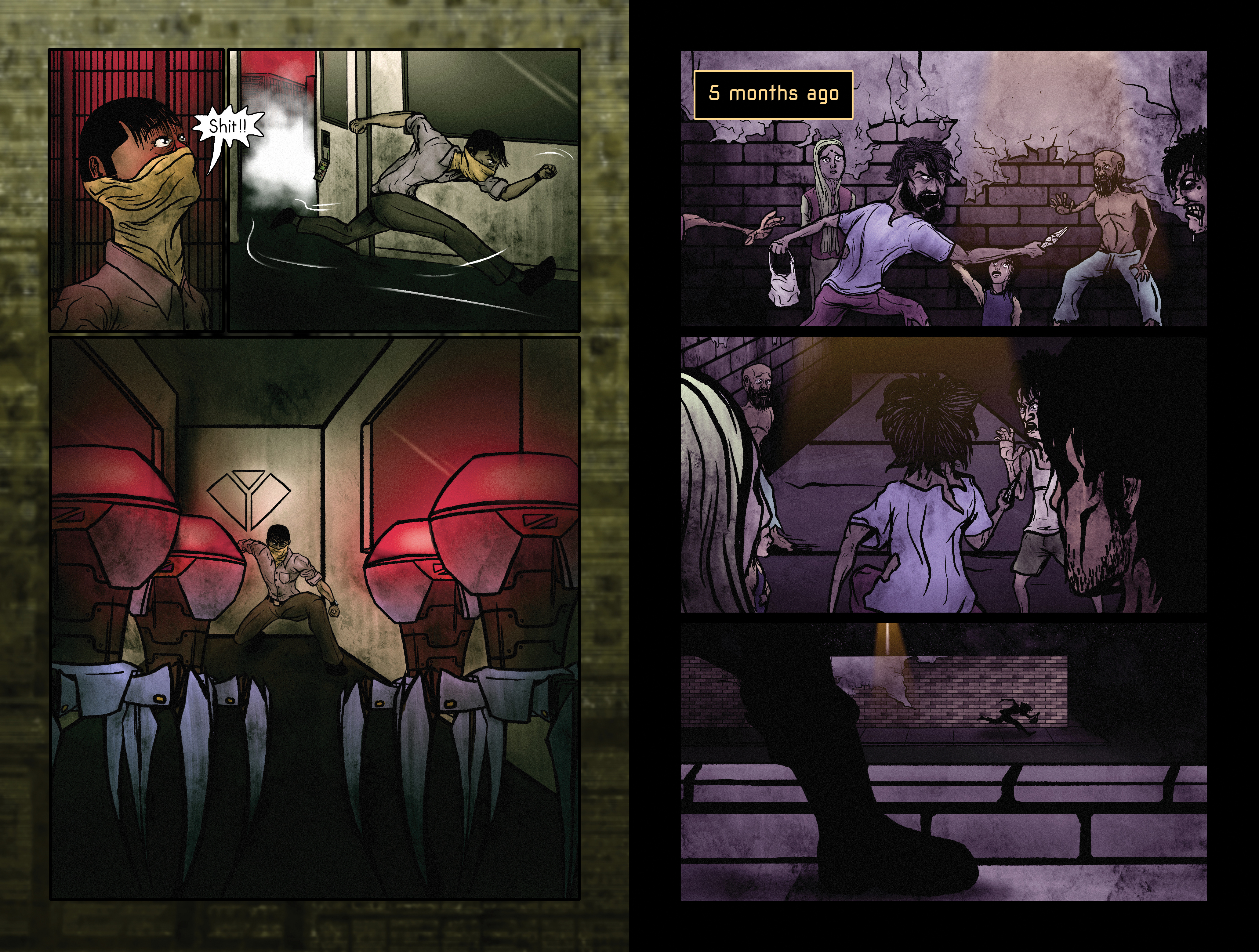
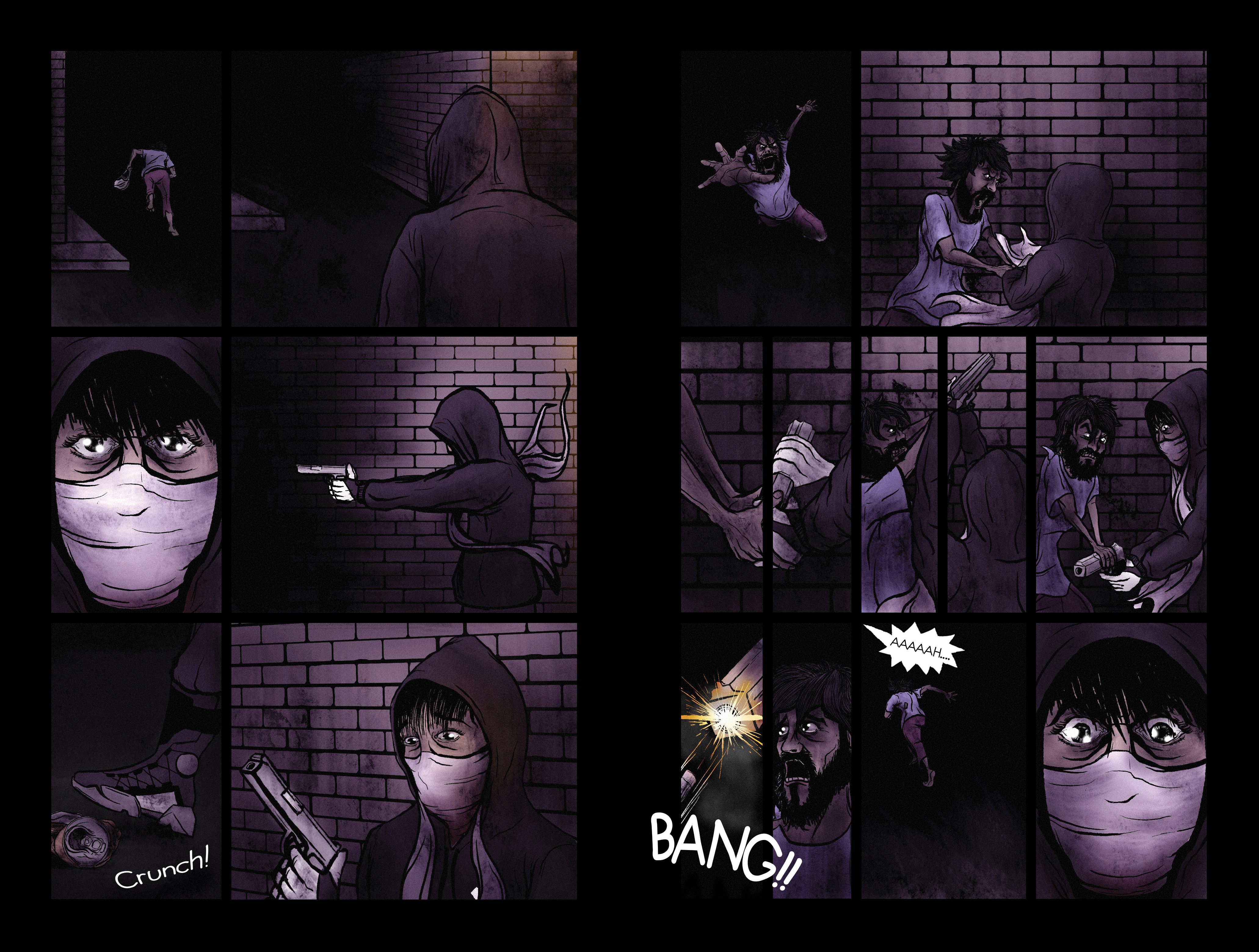
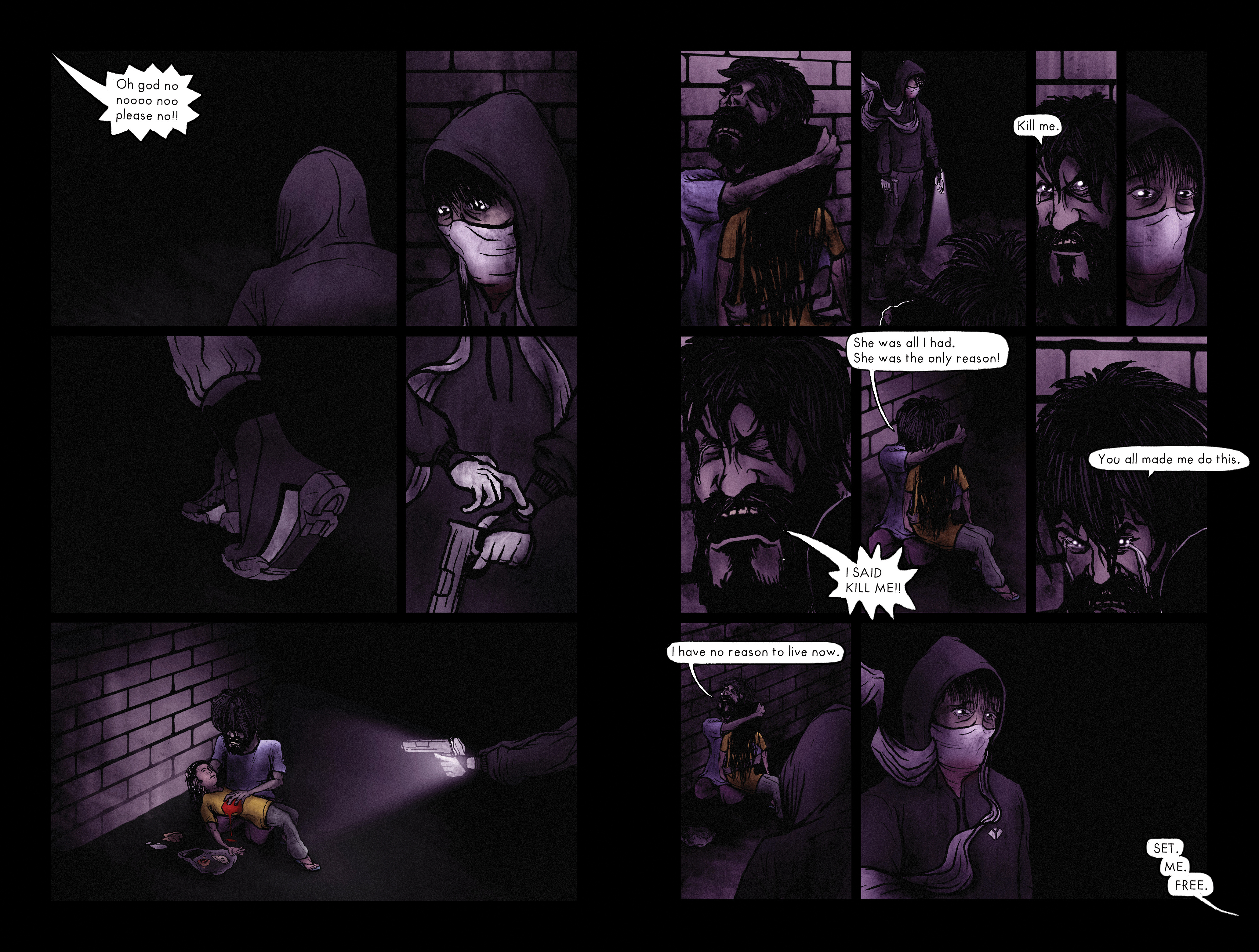
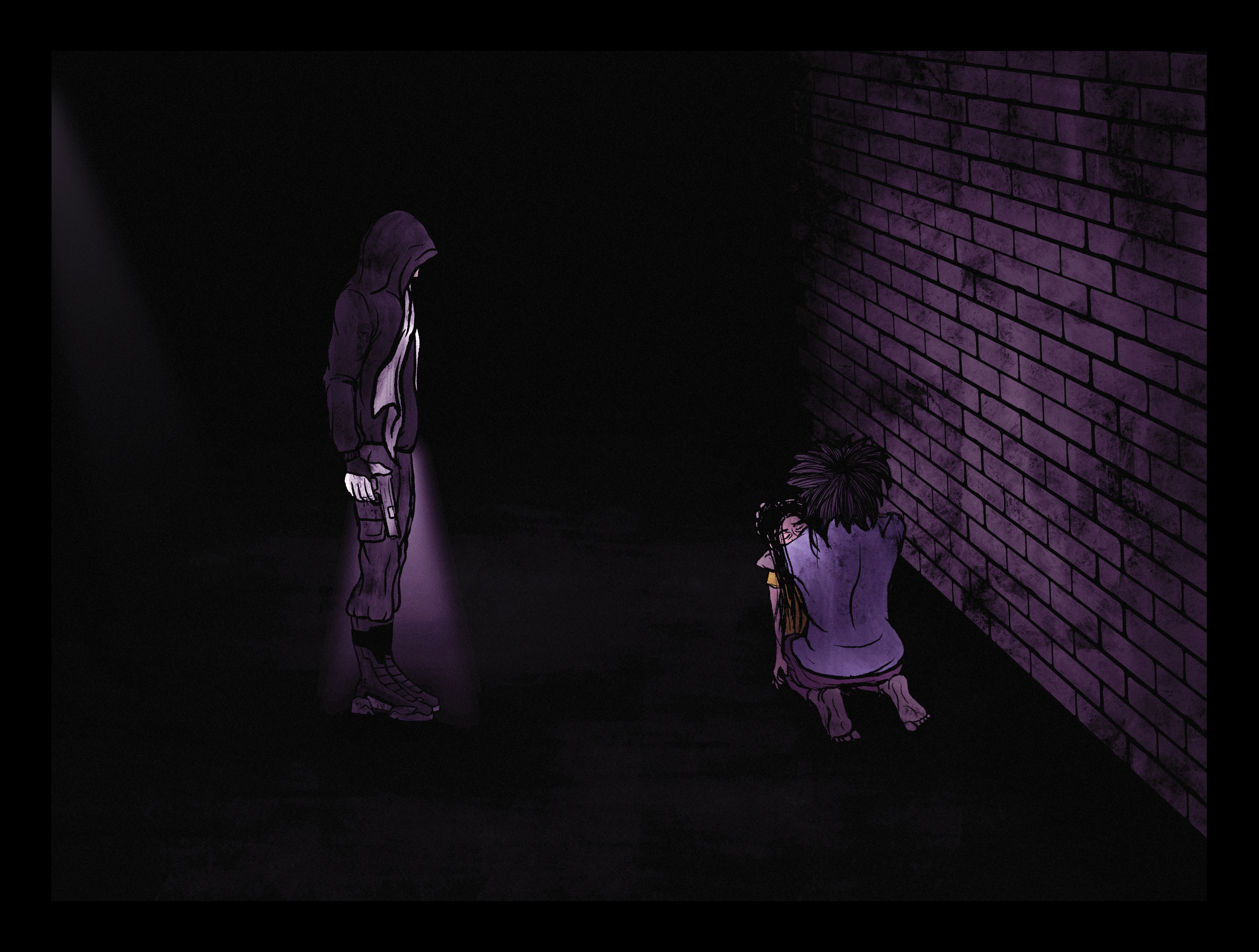
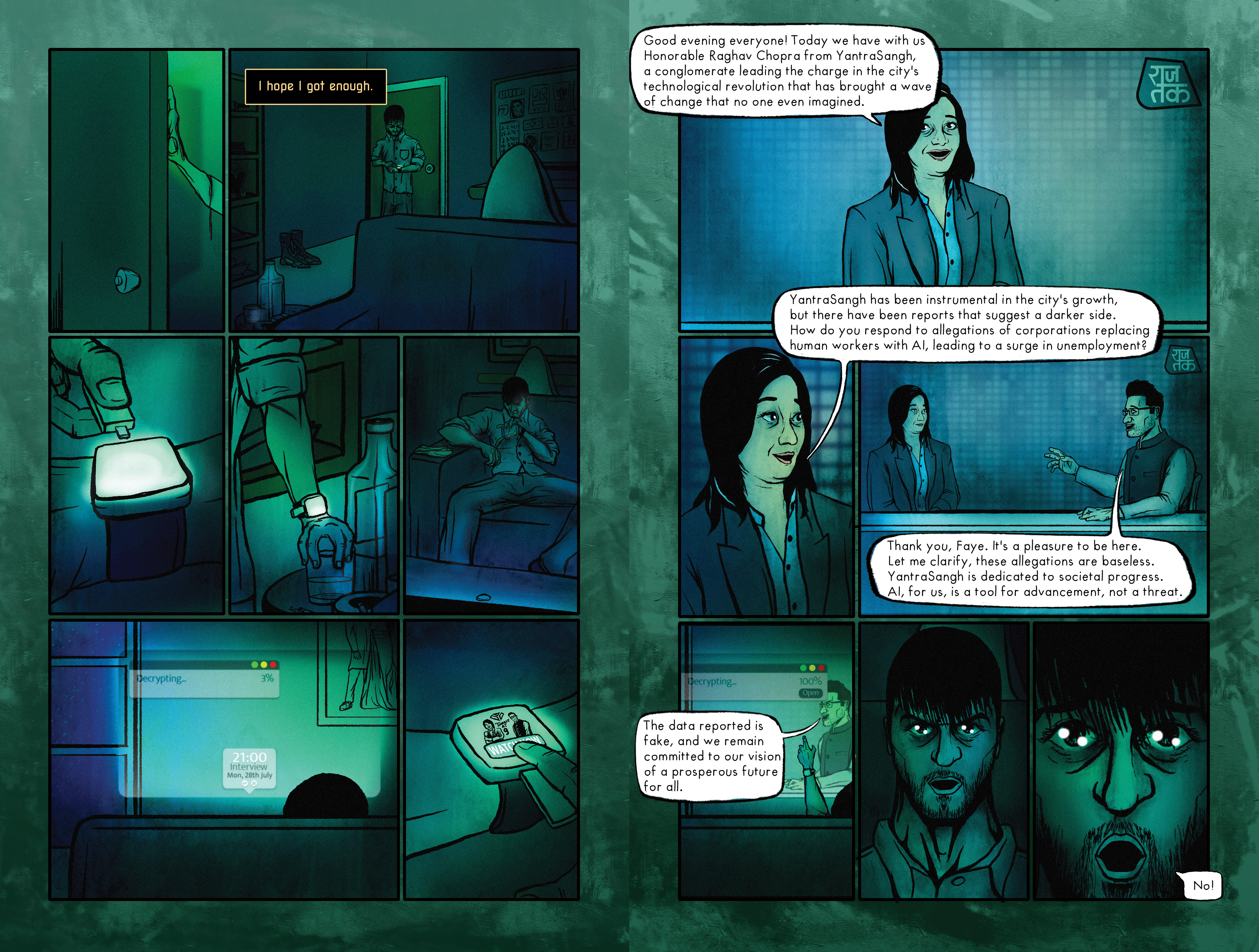
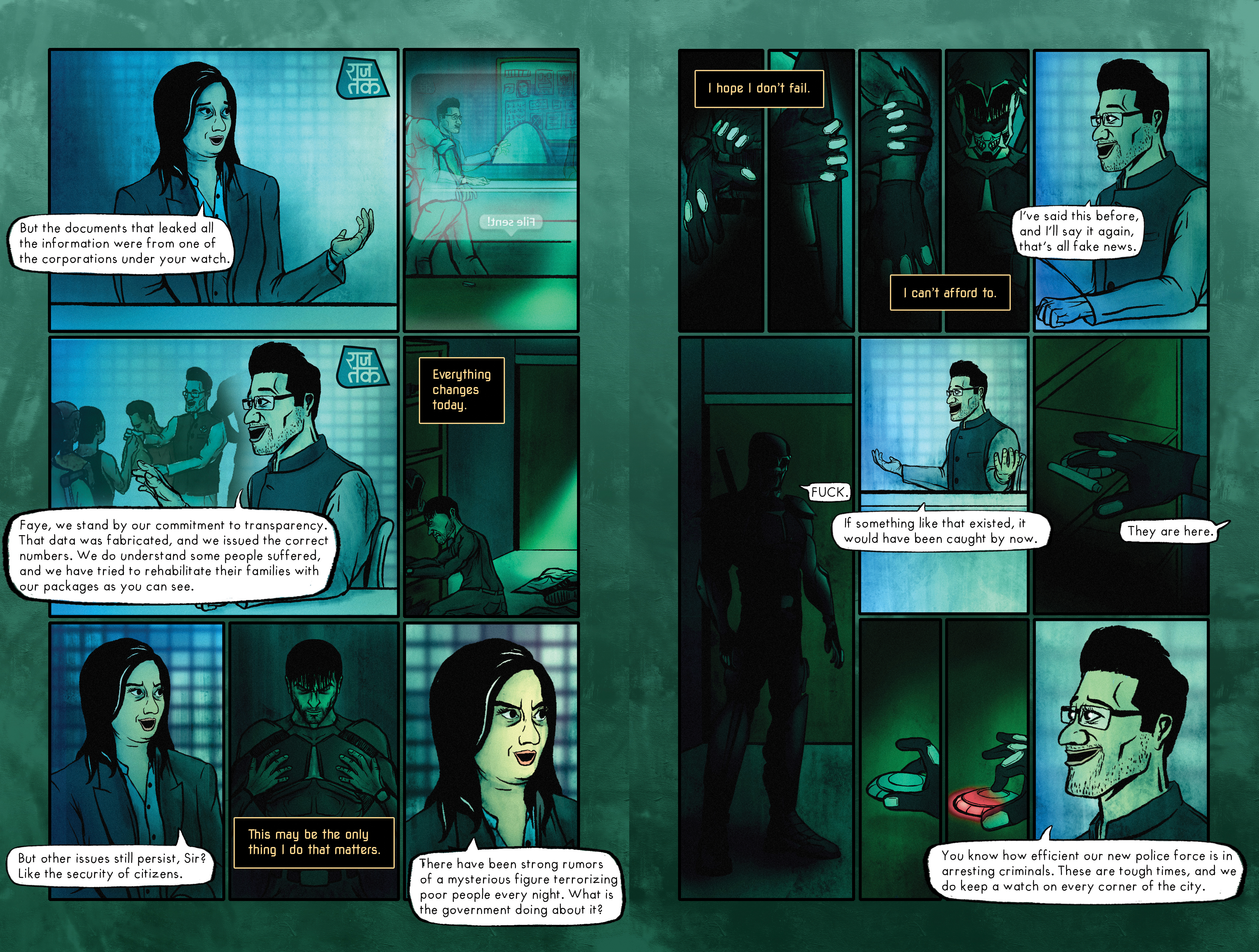
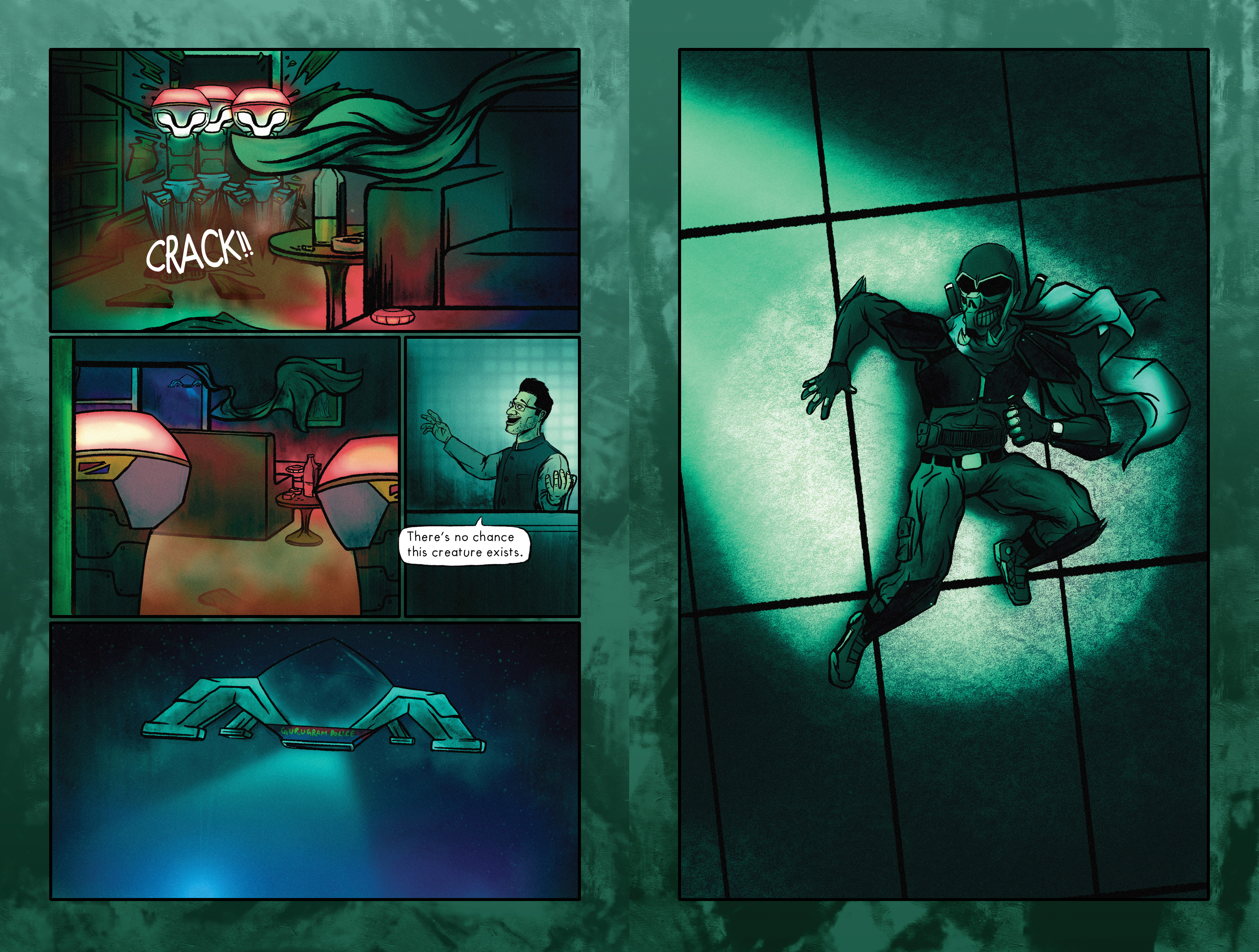
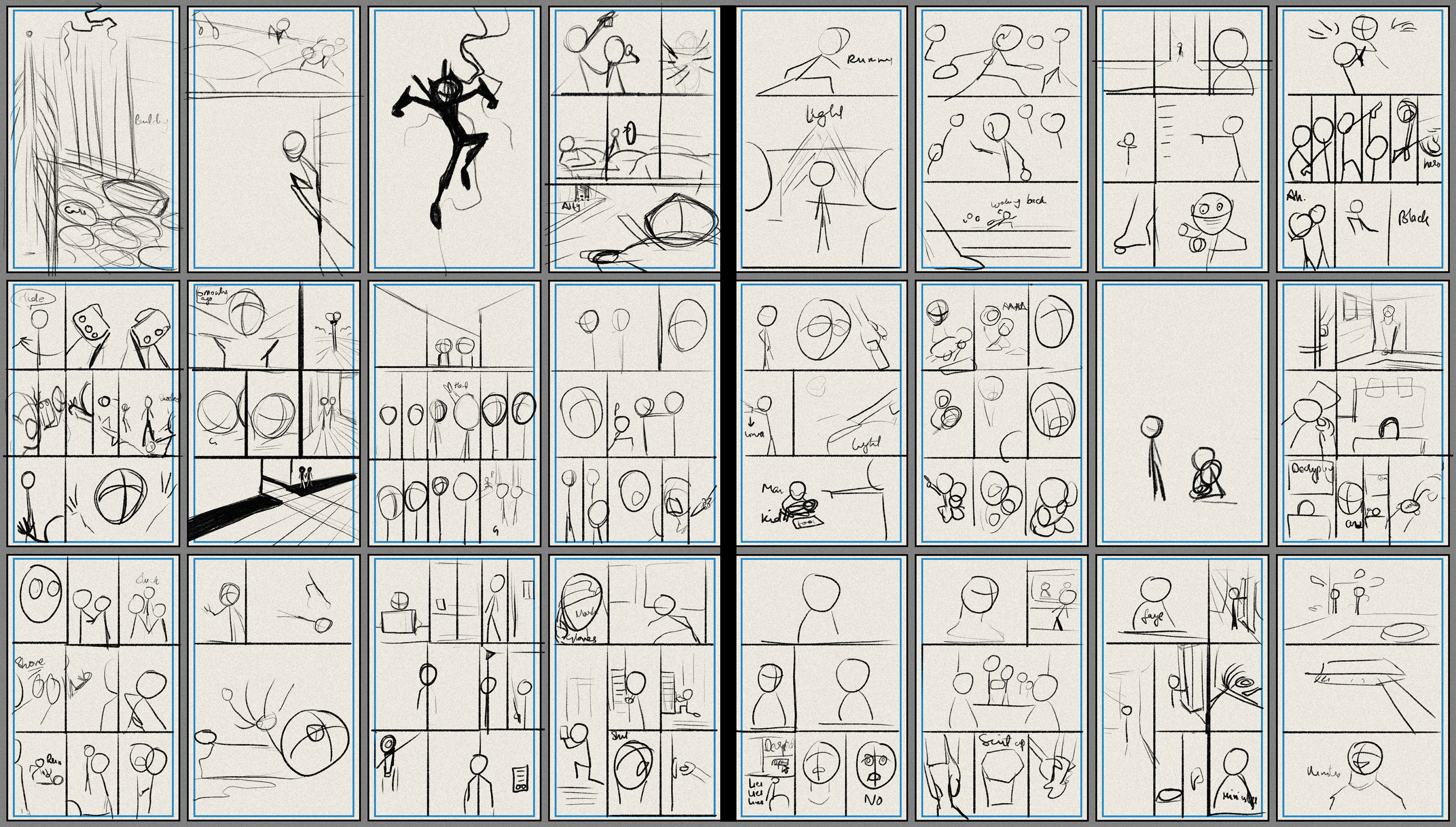
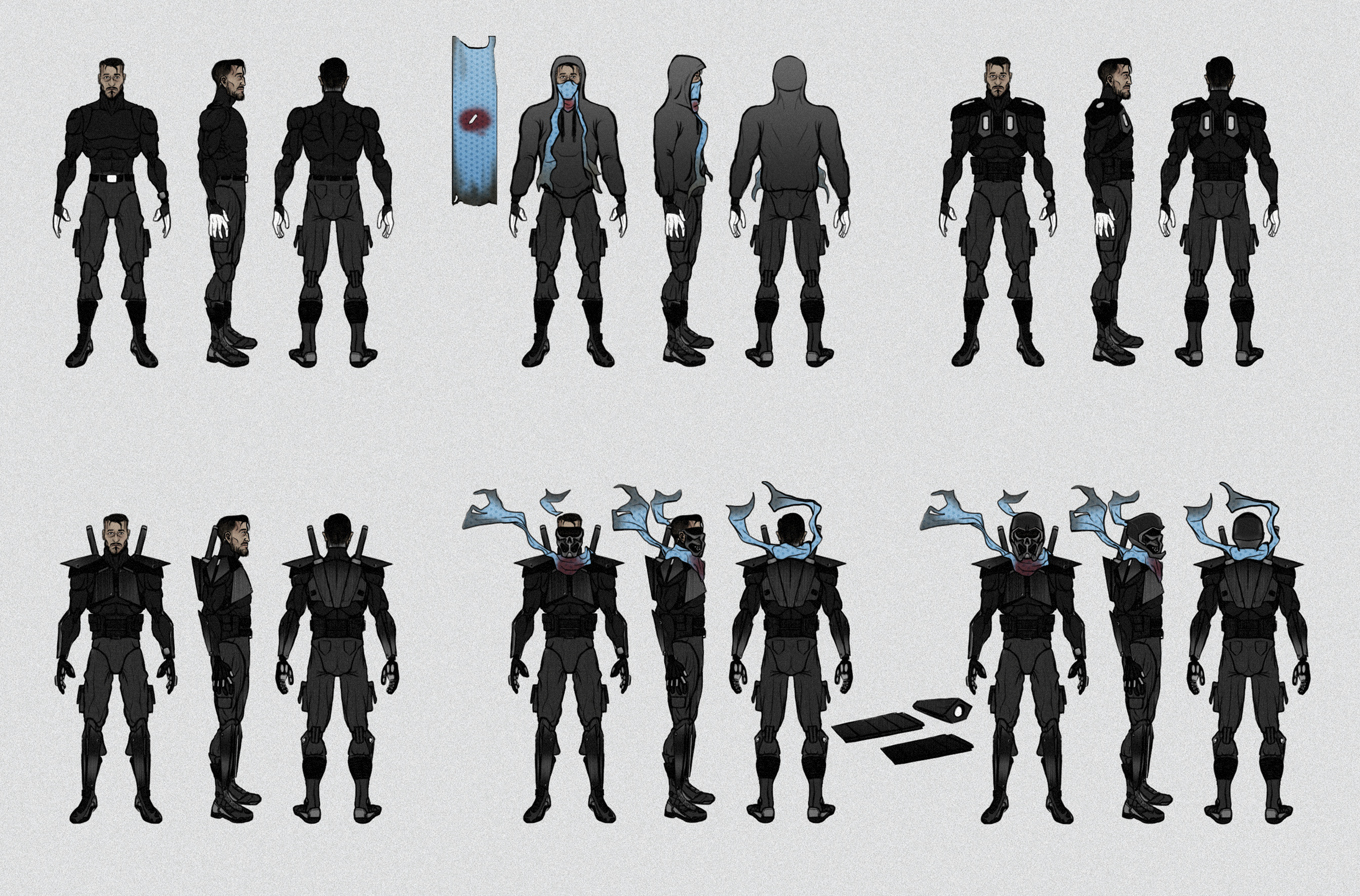
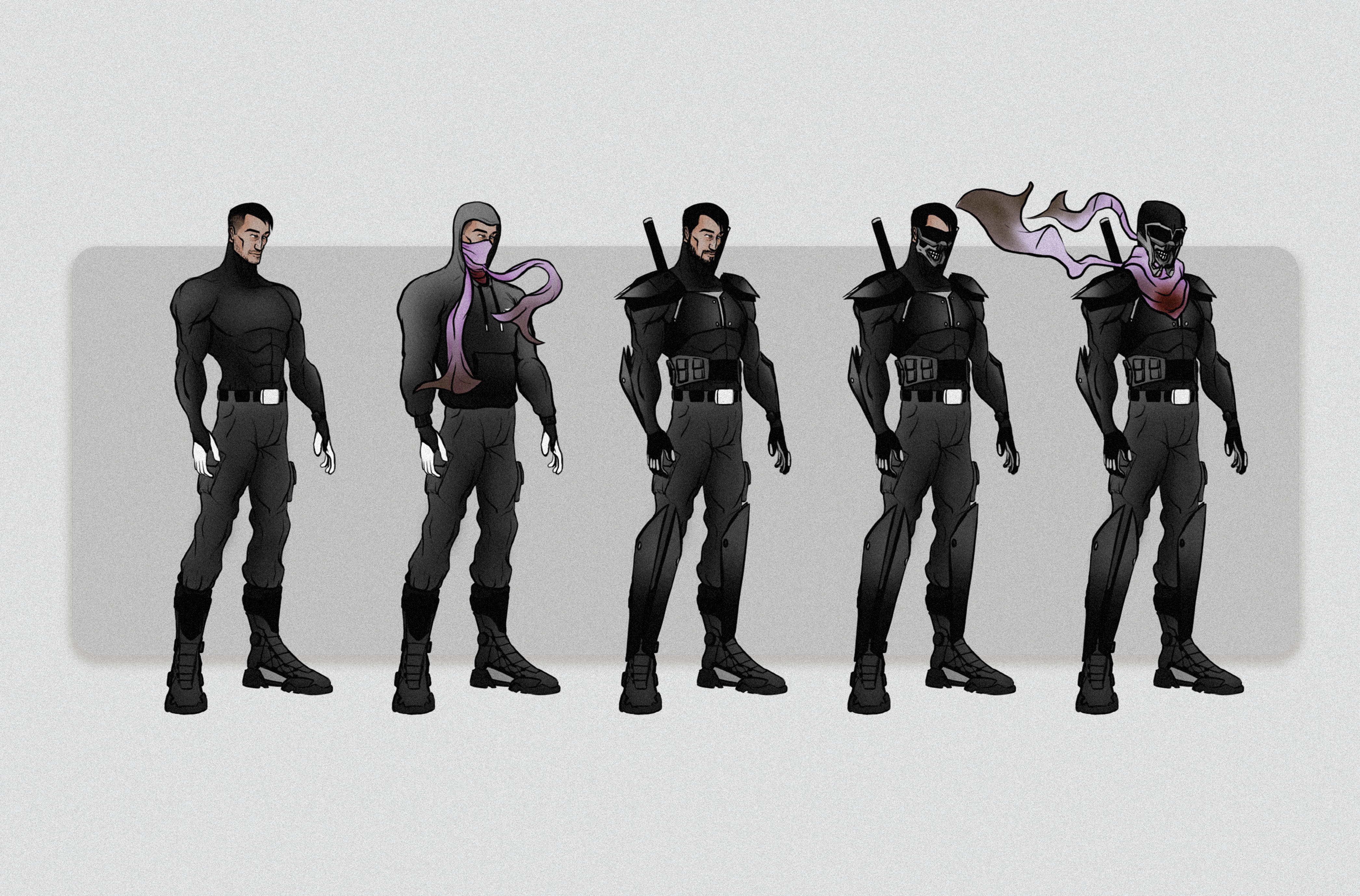
In parallel, I designed the character from scratch, paying close attention to anatomy, proportions, movement, and modularity. These designs informed both the narrative and the action figure. The story was then storyboarded and illustrated as a graphic narrative, allowing me to explore atmosphere, framing, and visual rhythm alongside the written script.
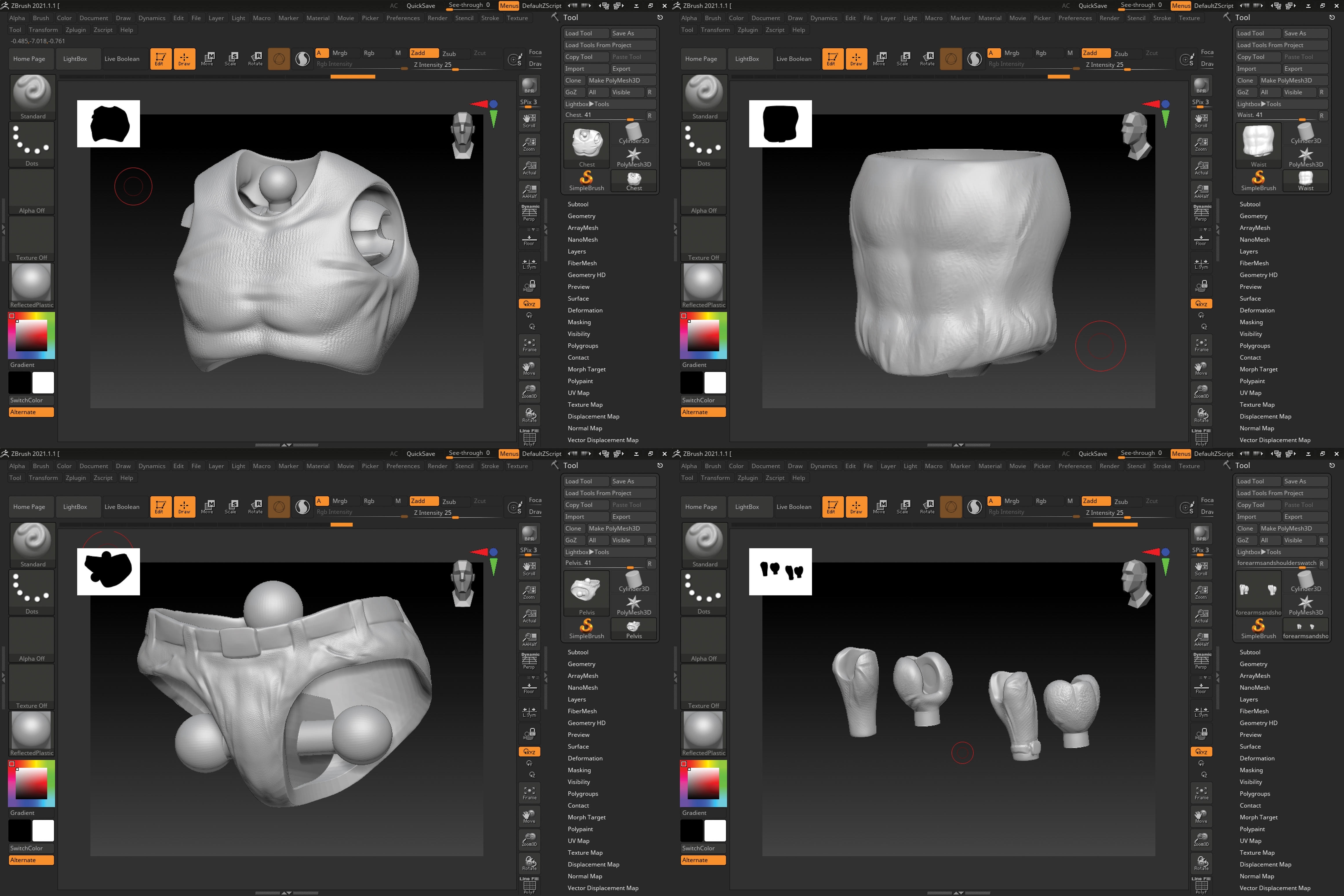
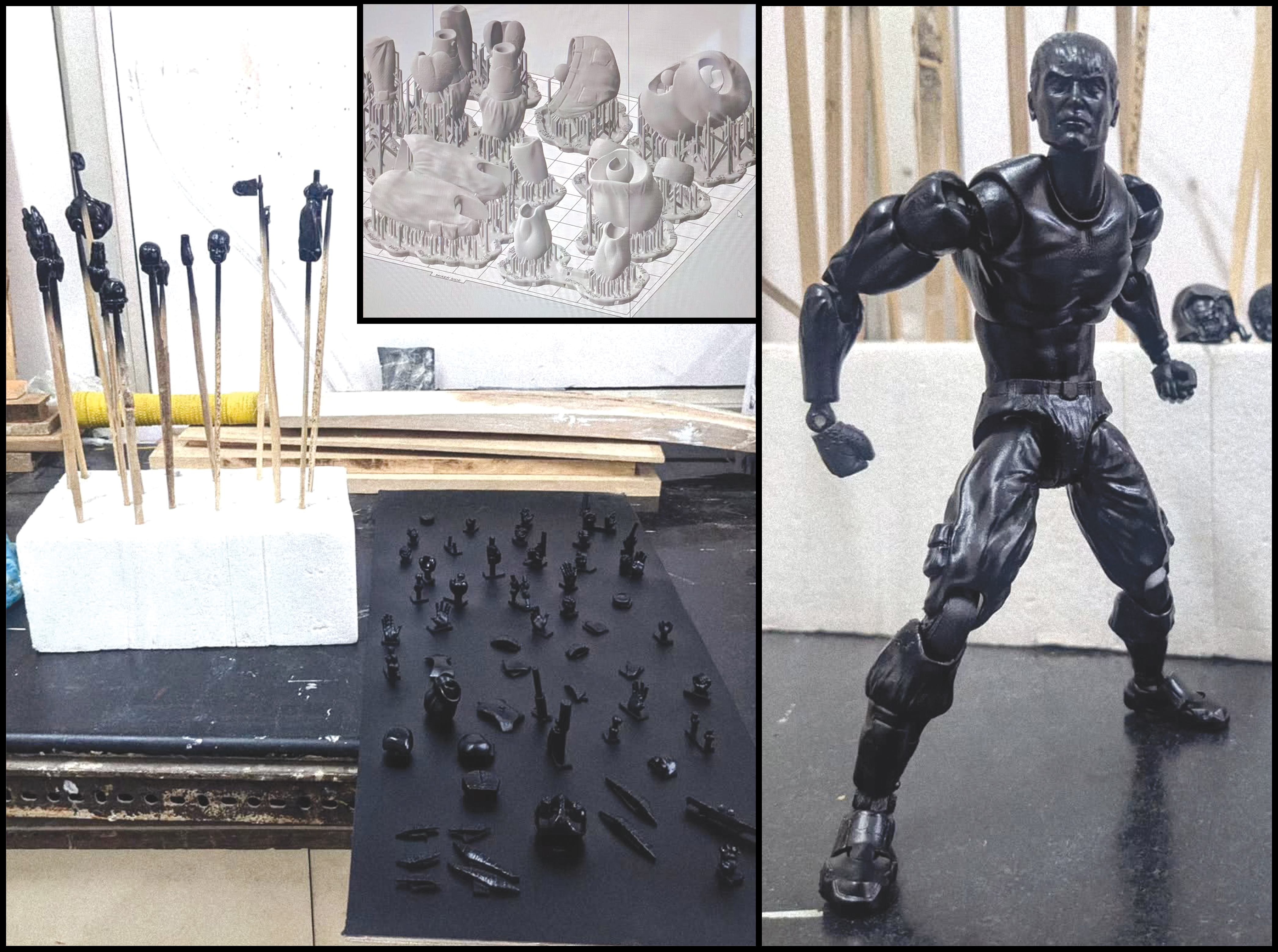
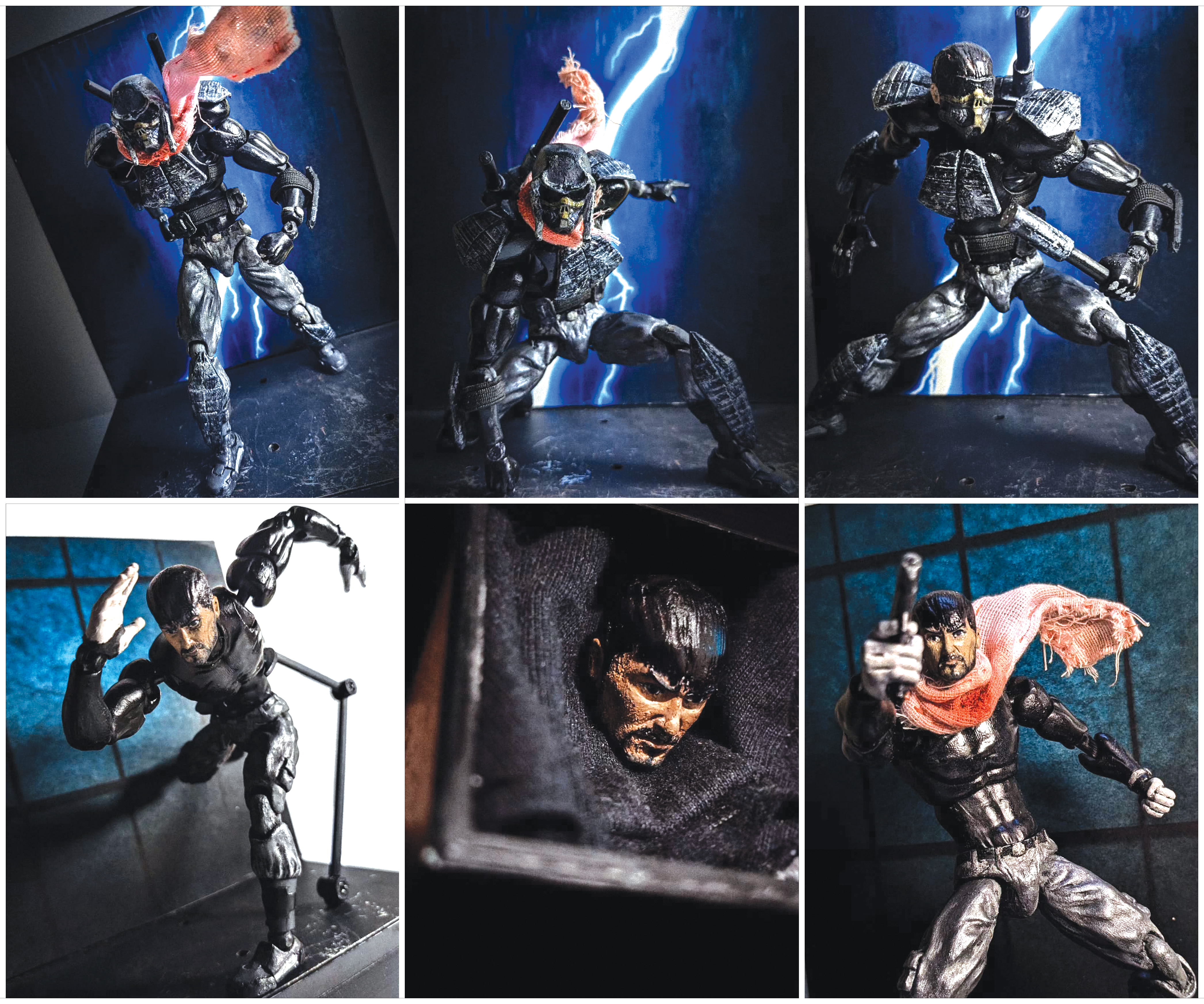
The final outcome extended beyond the page. I sculpted and fabricated a fully articulated action figure, designed to support multiple configurations through interchangeable parts—different head sculpts, armor pieces, scarves, and accessories held together using magnets and elastic. This modularity allowed the character to exist in multiple states, both visually and narratively.
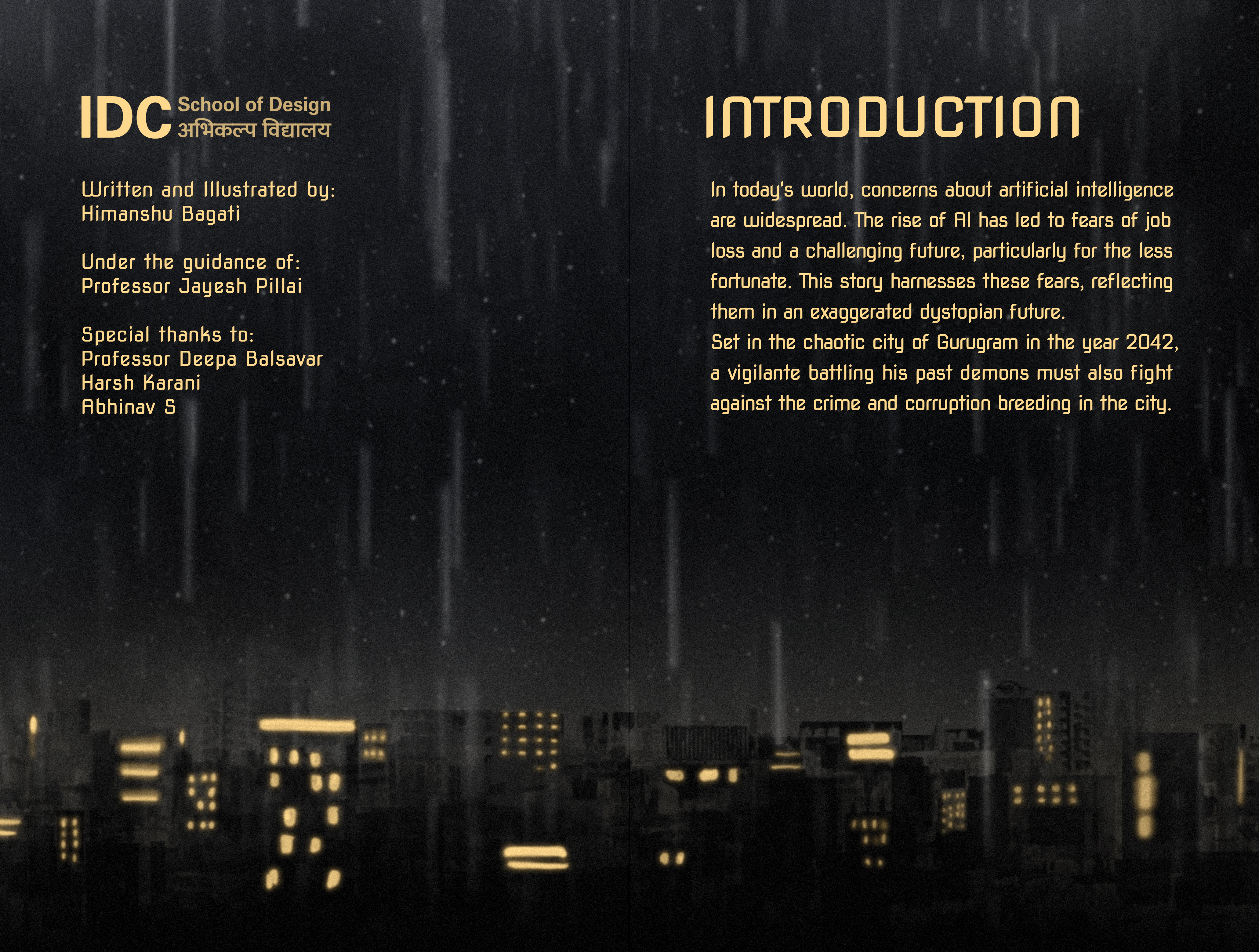
The story is set in a dystopian future where corporations exploit an increasingly impoverished population. The graphic narrative functions as an origin story, while the action figure invites the viewer to imagine what comes next—treating the figure not just as an object, but as a continuation of the world.
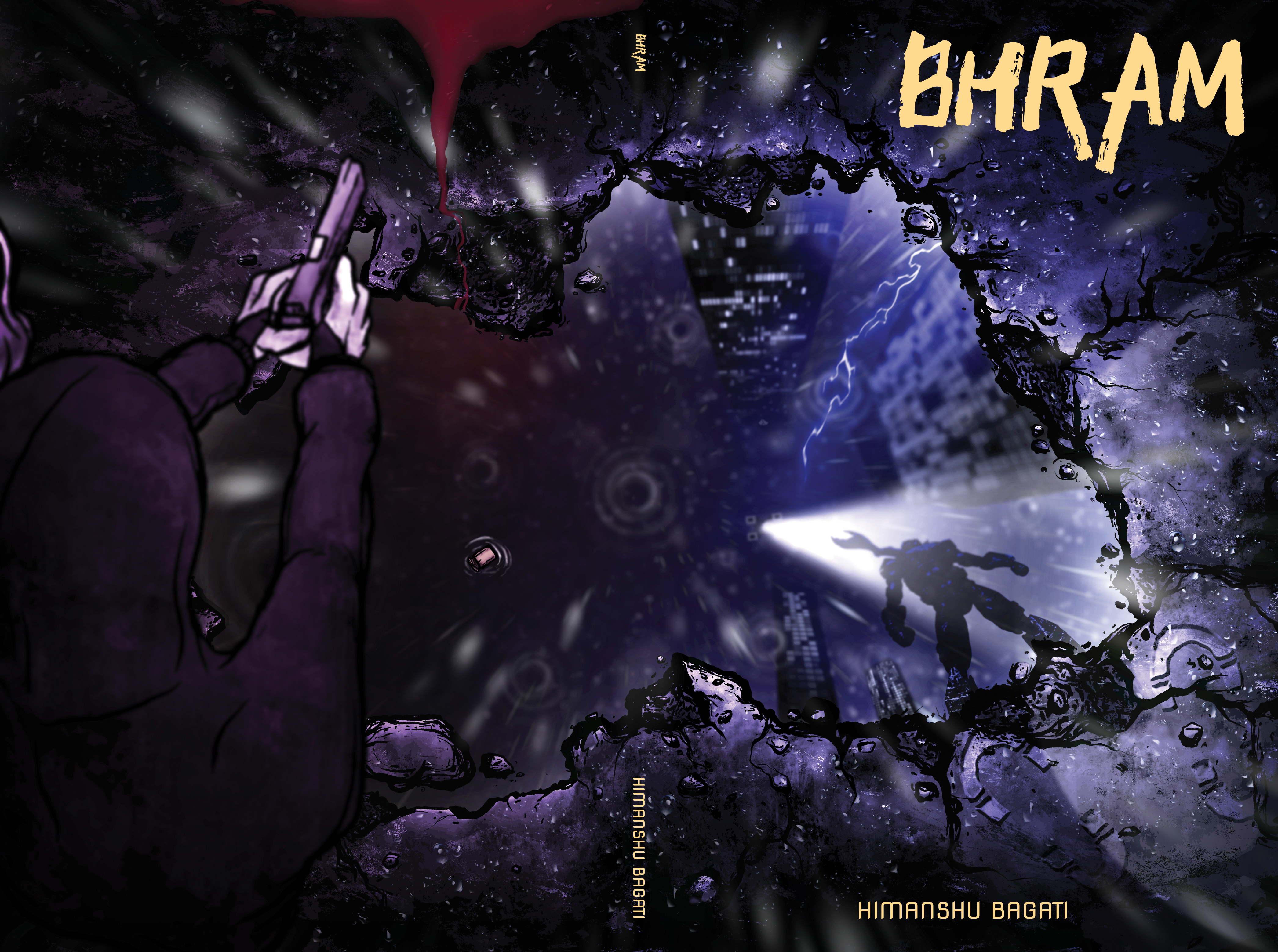
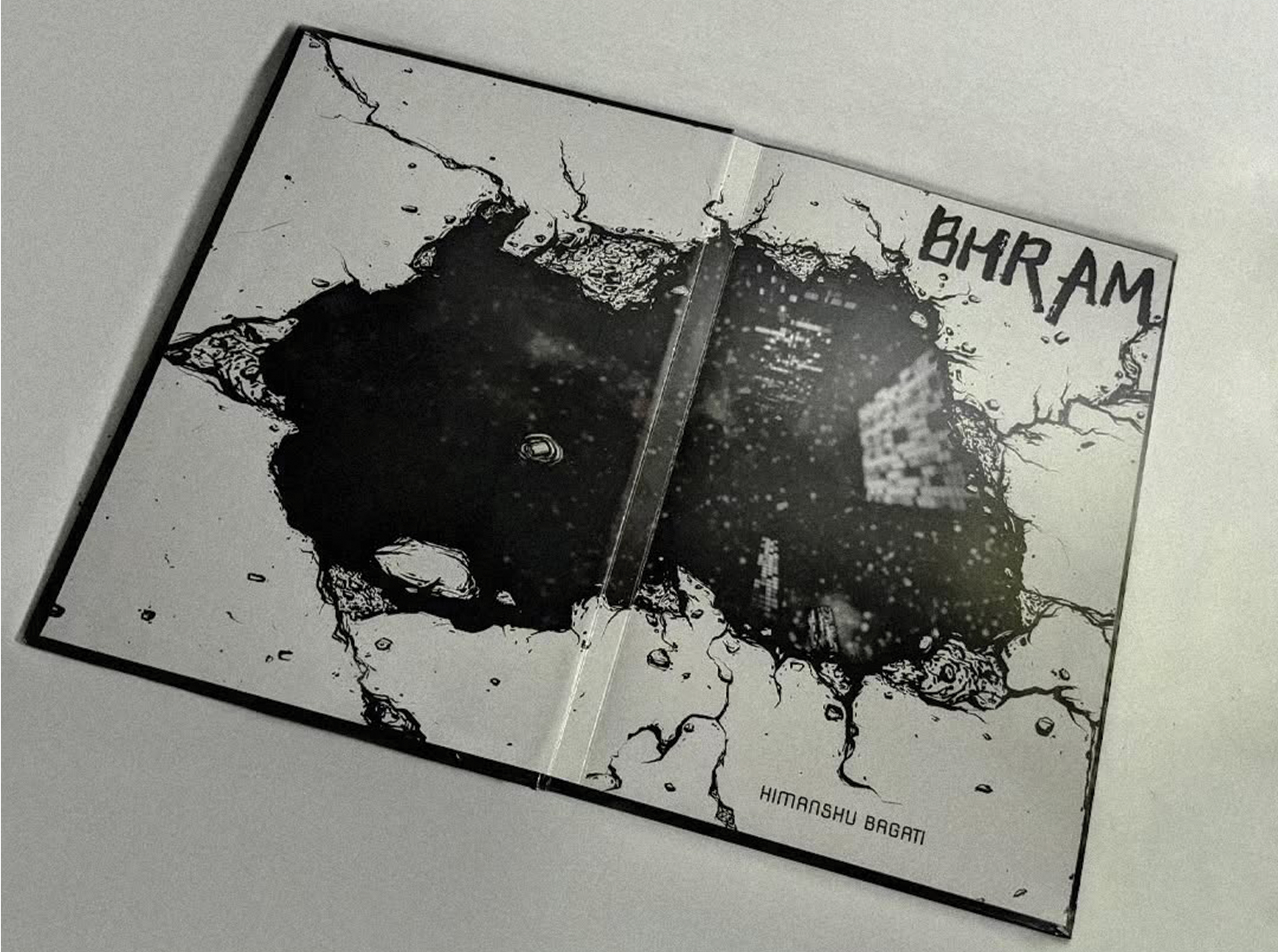
The cover reflects this idea directly. On the surface, only footprints are visible, grounded in reality. In a puddle below, a distorted reflection reveals the figure and hints at what he becomes. The puddle itself takes the shape of Gurugram—the city where the story is set—using reflection and absence to suggest identity, consequence, and the thin line between who the character is and what he turns into.
Bhram became an exploration of long-form storytelling, world-building, and translating a single idea across illustration, narrative, and physical form.